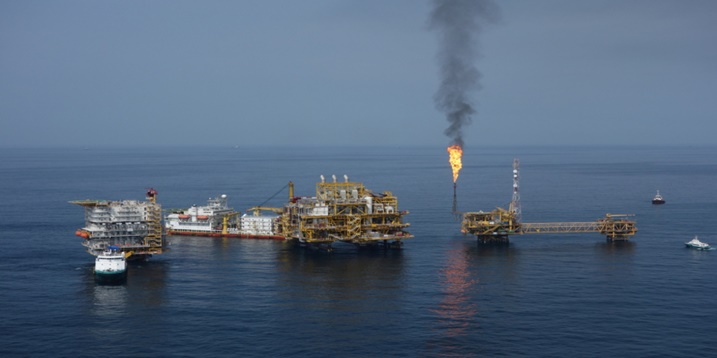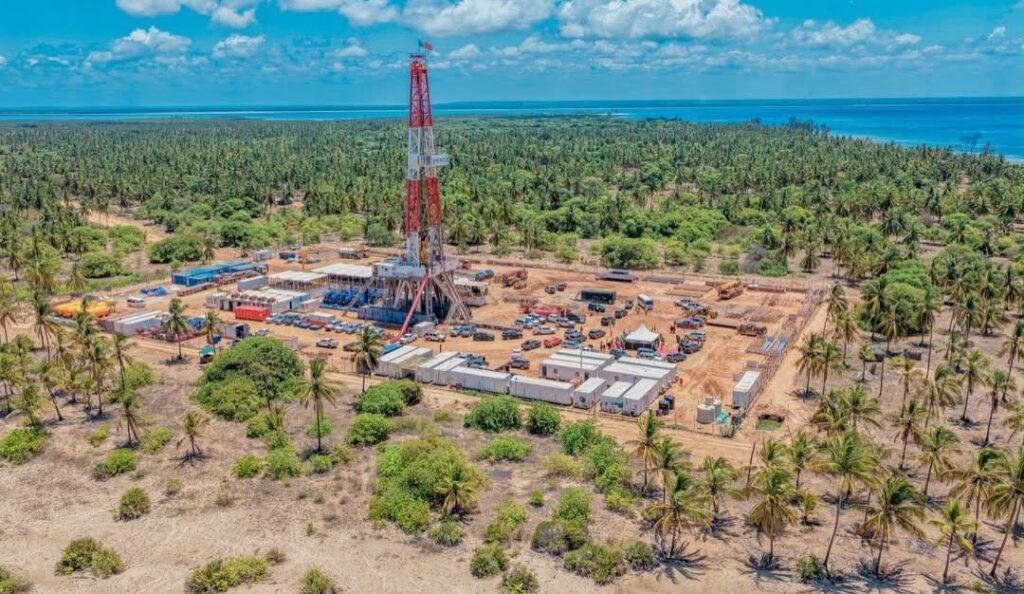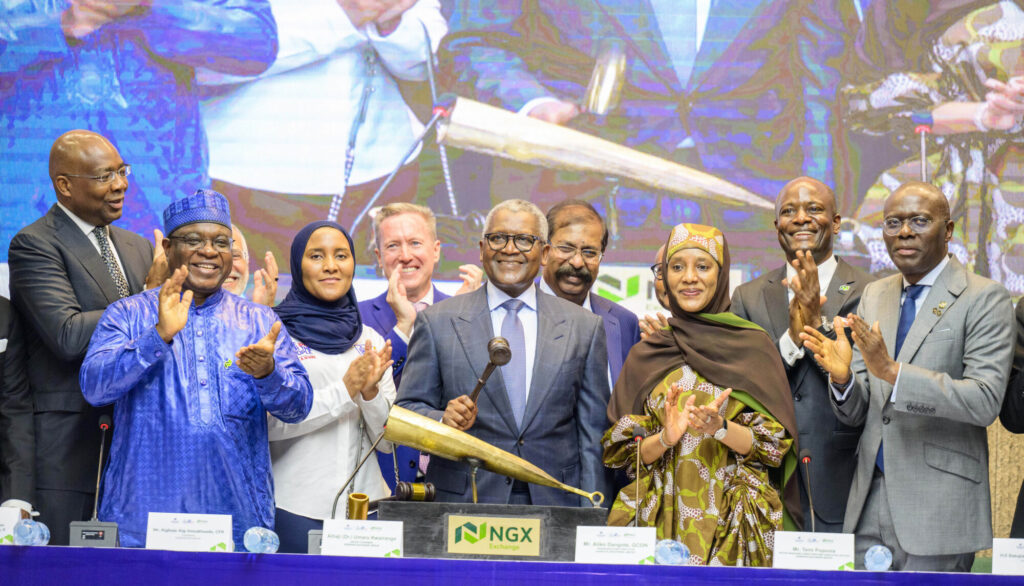
Eni closed the sale of its Nigerian unit AENR to Sterling Oil’s Apex on Monday, 26 October 2026, and TotalEnergies closed its $800 million sale to Vaaris on Tuesday, 27 October. The former Shell-operated SPDC joint venture, now the Renaissance JV, is owned entirely by NNPC and Nigerian private companies for the first time.
| $800m
TotalEnergies’ sale of its 10% oil interest to Vaaris, closed 27 October |
~16,000 boe/d
Net output the stake contributed to TotalEnergies in 2025 |
100%
Nigerian ownership of the joint venture after the two closings |
TotalEnergies said on Tuesday, 27 October 2026, that its subsidiary TotalEnergies EP Nigeria had completed the divestment of its 10% non-operated interest in the Renaissance joint venture, formerly the SPDC joint venture, to Vaaris for an aggregate $800 million. The interest covers 15 mainly oil-producing licences among the joint venture’s 18. TotalEnergies keeps its full economic interest in three gas licences, OML 23, OML 28 and OML 77, which currently supply 50% of the gas delivered to Nigeria LNG. The agreement was signed on 14 January 2026 and closed nine months later.
The stake contributed about 16,000 barrels of oil equivalent per day (boe/d) to TotalEnergies’ net production in 2025, according to BusinessDay, out of the 188,000 boe/d the company produced in Nigeria that year. At $800 million, the price is equivalent to about $50,000 per flowing barrel of oil equivalent per day (AER calculation).
A day earlier, on Monday, 26 October, Eni announced that it had completed the sale of Agip Energy and Natural Resources (Nigeria) Limited (AENR), which holds 5% of the same joint venture, to Apex Global Energy Limited, a company wholly owned by Sterling Oil Exploration and Energy Production Company. The value was not disclosed. Eni said the sale was part of “rebalancing the portfolio and divesting non-strategic assets” and that it will remain in Nigeria through deep offshore exploration and development and its interest in Nigeria LNG.
A joint venture now wholly Nigerian
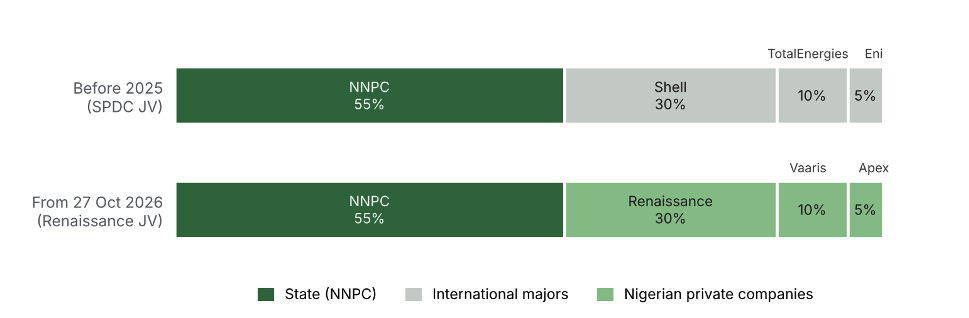
The joint venture is now owned by NNPC (55%), Renaissance Africa Energy Company (30%, operator), Vaaris (10%) and Apex (5%). Renaissance, a consortium of ND Western, Aradel Holdings, First Exploration and Petroleum Development Company, Waltersmith and Petrolin, completed its $2.4 billion acquisition of Shell’s SPDC in March 2025. It operates 18 oil mining leases and export terminals at Bonny and Forcados. Its chief production officer said in August 2025 that oil output had risen from about 100,000 barrels per day at handover to about 230,000, and THISDAY reported in June 2026 that Renaissance produces about 673,000 boe/d, with a target of 1 million boe/d by 2030.
CHART Ownership of the former SPDC joint venture, before and after
Source: Company statements; THISDAY (27 Oct 2026).
Who is Vaaris?
Vaaris was incorporated in December 2025 and is chaired by Tubotein “Tein” George, chairman of fabrication company Aveon Offshore. Its board includes several executives with ties to Seplat Energy, and former Seplat chief executive Austin Avuru told Bloomberg in January that he had assembled a group of investors for the Renaissance assets. Vaaris has not published its shareholding or disclosed how the $800 million was financed. On 14 October, Shell agreed to sell Vaaris its domestic gas distribution business, Shell Nigeria Gas, which operates about 170 km of pipelines in Ogun, Abia and Rivers states and serves more than 130 industrial and commercial customers; that deal awaits regulatory approval.
TotalEnergies first agreed to sell the stake in July 2024 to Chappal Energies for $860 million, but the Nigerian Upstream Petroleum Regulatory Commission withdrew its approval in September 2025 after the parties failed to meet their financial obligations. The completed sale to Vaaris is $60 million lower.
TIMELINE The majors’ exit from Nigerian onshore oil
| Completed | Transaction | Reported value |
| Aug 2024 | Eni sells Nigerian Agip Oil Company (NAOC) to Oando | About $783 million |
| Dec 2024 | ExxonMobil sells Mobil Producing Nigeria to Seplat Energy | About $800 million at completion |
| 14 Mar 2025 | Shell sells SPDC to the Renaissance consortium | $2.4 billion |
| 26 Oct 2026 | Eni sells AENR (5% of the Renaissance JV) to Apex, owned by Sterling | Not disclosed |
| 27 Oct 2026 | TotalEnergies sells 10% of the Renaissance JV oil licences to Vaaris | $800 million |
Values as reported by the companies, THISDAY and ND Western; some reflect completion adjustments.
Analysis
The pattern is now complete. The majors have kept what is dollar-linked, technically demanding and export-oriented, namely deepwater oil and the gas that feeds Nigeria LNG, and sold the onshore and shallow-water oil exposed to pipeline theft, community disputes and evacuation bottlenecks. TotalEnergies’ decision to keep the three gas licences that supply half of NLNG’s feed gas, as the Train 7 expansion approaches, shows where it sees long-term value.
The price is a useful benchmark. About $50,000 per flowing boe/d, and $60 million less than the failed 2024 deal despite much higher oil prices, suggests buyers are still pricing a substantial discount for onshore risk, financing costs and the obligations attached to mature assets, including decommissioning and environmental liabilities. For sellers, a clean exit is worth more than the upside from higher prices.
The early evidence supports the transfer. Nigeria’s crude and condensate output averaged 1.72 million barrels per day in September 2026, up from about 1.44 million in 2022, helped by indigenous operators reopening wells and pipelines; Renaissance alone more than doubled oil output in its first months. But Nigerian companies now carry most of the country’s onshore production, and their results will depend on access to capital, pipeline security and timely joint venture funding.
For NNPC, which holds 55%, the change of partners matters for cash calls and investment pace. Private Nigerian partners may move faster than the majors did on onshore investment, but they will also be more exposed to delays in joint venture funding, to crude theft and to the regulator’s tougher stance: enforcement of the Petroleum Industry Act’s “Drill or Drop” provisions begins on 30 October.
Investor Outlook
- Nigerian independents: Consolidation favours operators with strong balance sheets and evacuation access. Seplat, Aradel and Oando, which together built a cash position of about ₦2.86 trillion this year, are well placed for further acquisitions.
- Lenders: Indigenous ownership increases demand for reserve-based lending and local bank finance. The financing structure behind Vaaris has not been disclosed and is a watchpoint for its partners.
- Service companies: Private operators seeking quick production gains are likely to increase spending on well reactivation, pipeline repair and facility upgrades.
- Gas and LNG: The majors’ focus on gas supplying Nigeria LNG supports Train 7 and long-term LNG exports, where TotalEnergies, Shell and Eni remain shareholders.
Sources
TotalEnergies press release (27 Oct 2026); World Oil (27 Oct 2026); Nairametrics (27 Oct 2026); Reuters via CNBC Africa (26 Oct 2026); THISDAY (27 Oct 2026; 2 Jun 2026).
BusinessDay (19 Jan 2026, Vaaris and stake output); Billionaires.Africa (14 Oct 2026); Channels TV (14 Jan 2026); ND Western (14 Mar 2025); Arise News (21 Aug 2025).
THISDAY (14 and 21 Oct 2026, production and Drill or Drop); allAfrica (Sep 2026, independents’ cash position).
This article is provided for information purposes only and does not constitute investment advice.